Do Mushrooms Need Light? (And What Kind Actually Works)
Wondering if mushrooms need light to grow? Learn why light matters for pinning and direction, what color LED works best, and how to set up lighting whether you're using a martha tent, a closet, or just a windowsill.
GROWING
5/1/20265 min read
Do Mushrooms Need Light? Here's What Actually Works
If you're coming from growing plants, especially cannabis, your first instinct around mushroom lighting is probably to overthink it. Veg cycles, flower cycles, light leaks causing problems, all of that baggage doesn't really apply here. Mushroom lighting is genuinely simpler than you think, and once you understand why they need light at all, the whole thing clicks into place.
Why Mushrooms Need Light
Mushrooms don't photosynthesize. They're not converting light into energy the way plants do, so the intensity of your light source isn't driving your yields. What light actually does is act as an environmental signal. In the wild, a pin forming underground uses light gradients to figure out which direction is up and where the opening is. Without any light cue, mushrooms will often still fruit but growth can be disoriented, pins coming out sideways, caps developing unevenly, or fruiting bodies just taking longer to get going.
So the short answer to why they need light is: direction, not fuel.
The Incubation Darkness Myth
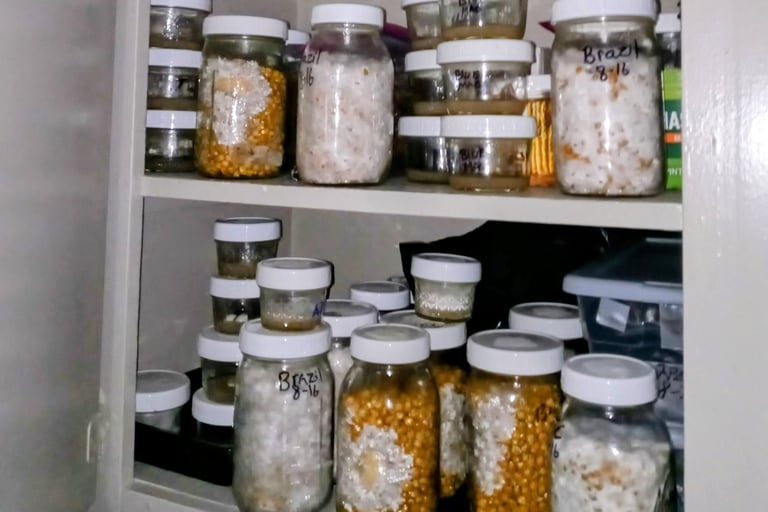
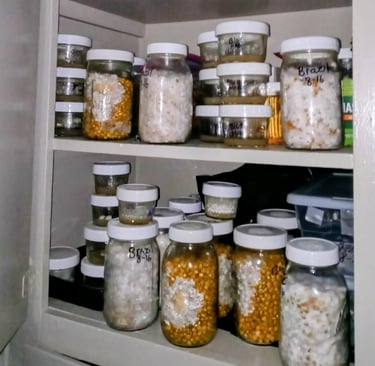
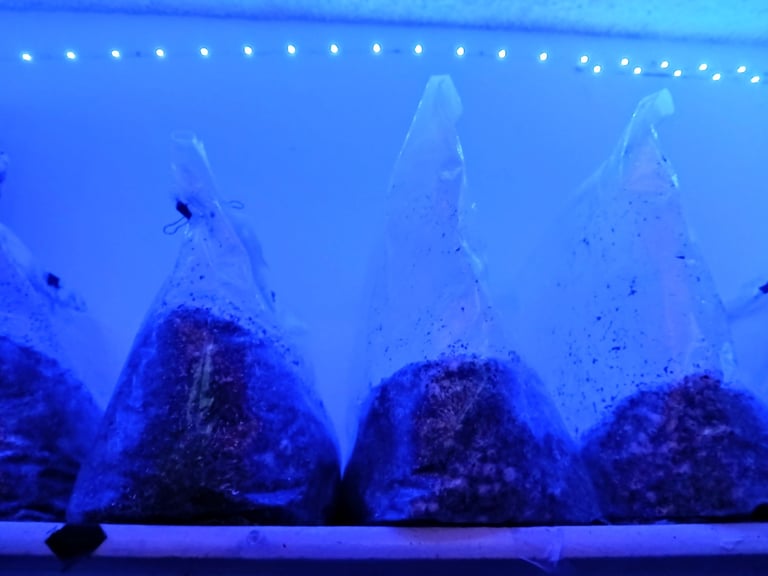
For a long time I blacked everything out during incubation. Jars in the closet, trash bags draped over bags and agar plates, the whole thing. The logic made sense, keep it dark, keep it cave-like, mimic nature.
Then out of laziness more than anything I stopped doing it, and nothing changed. Jars sitting out on a shelf colonized just as fast. Bags in a lit room did fine. Agar under normal indoor light wasn't affected. The mycelium during colonization genuinely does not care about light. Save yourself the effort.
Light Cycles — Way More Forgiving Than Plants
If you're used to running 18/6 for veg and flipping to 12/12 to trigger flower, you're going to find mushroom lighting refreshingly low stakes. A 12/12 cycle works perfectly well and is easy to set up on a timer, but you have a lot of wiggle room. Anywhere from 8 to 16 hours of light per day is fine for most common species. There's no hormonal trigger being flipped, no hermaphrodite risk from a light leak, no ruined cycle if your timer is off by a couple hours.
Honestly I've run lights on at night and off during the day, used natural window light during the day with no supplemental light at night, and had grows that were getting light around the clock between sunlight and LED. Results were similar across all of it. What matters more is that your fruiting chamber has some consistent light source during the fruiting stage so your pins know which way to grow.
Direction Not Intensity — What This Actually Means in Practice
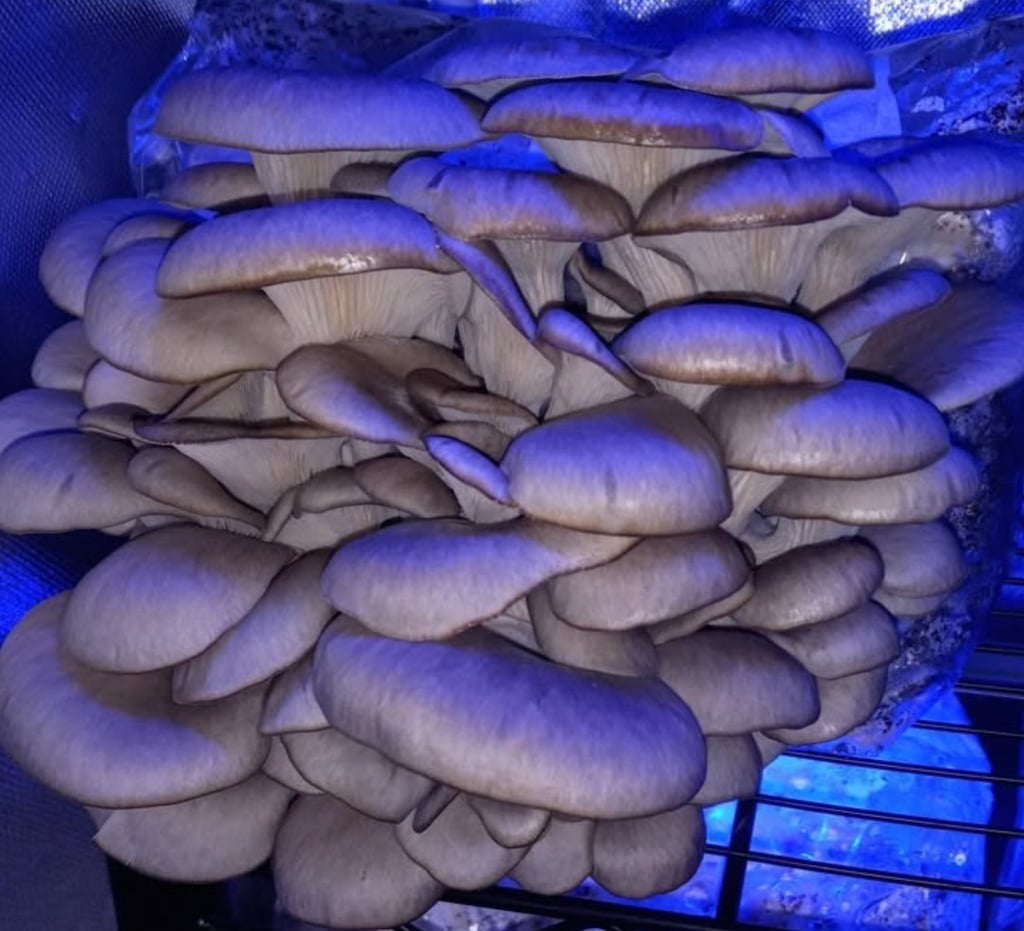
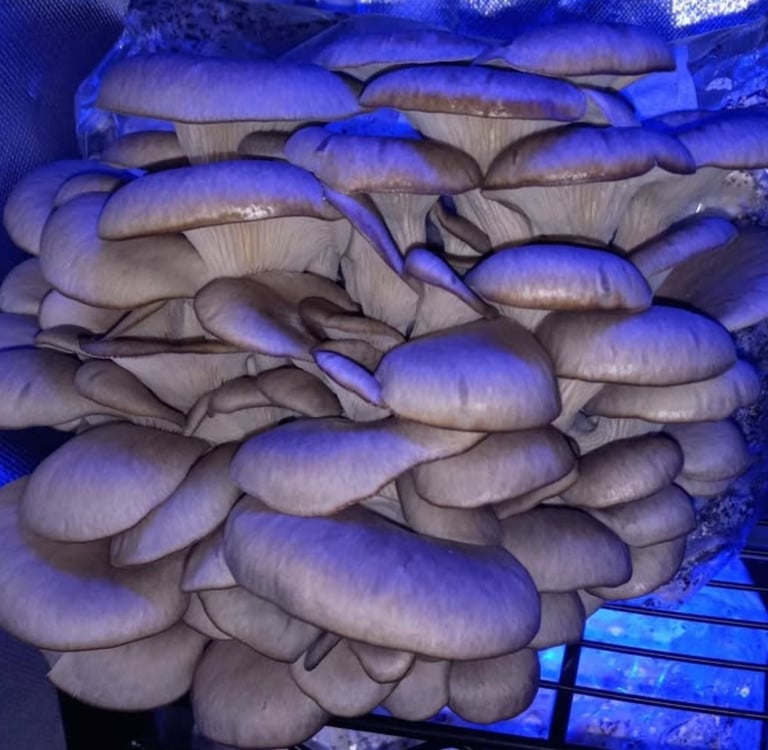
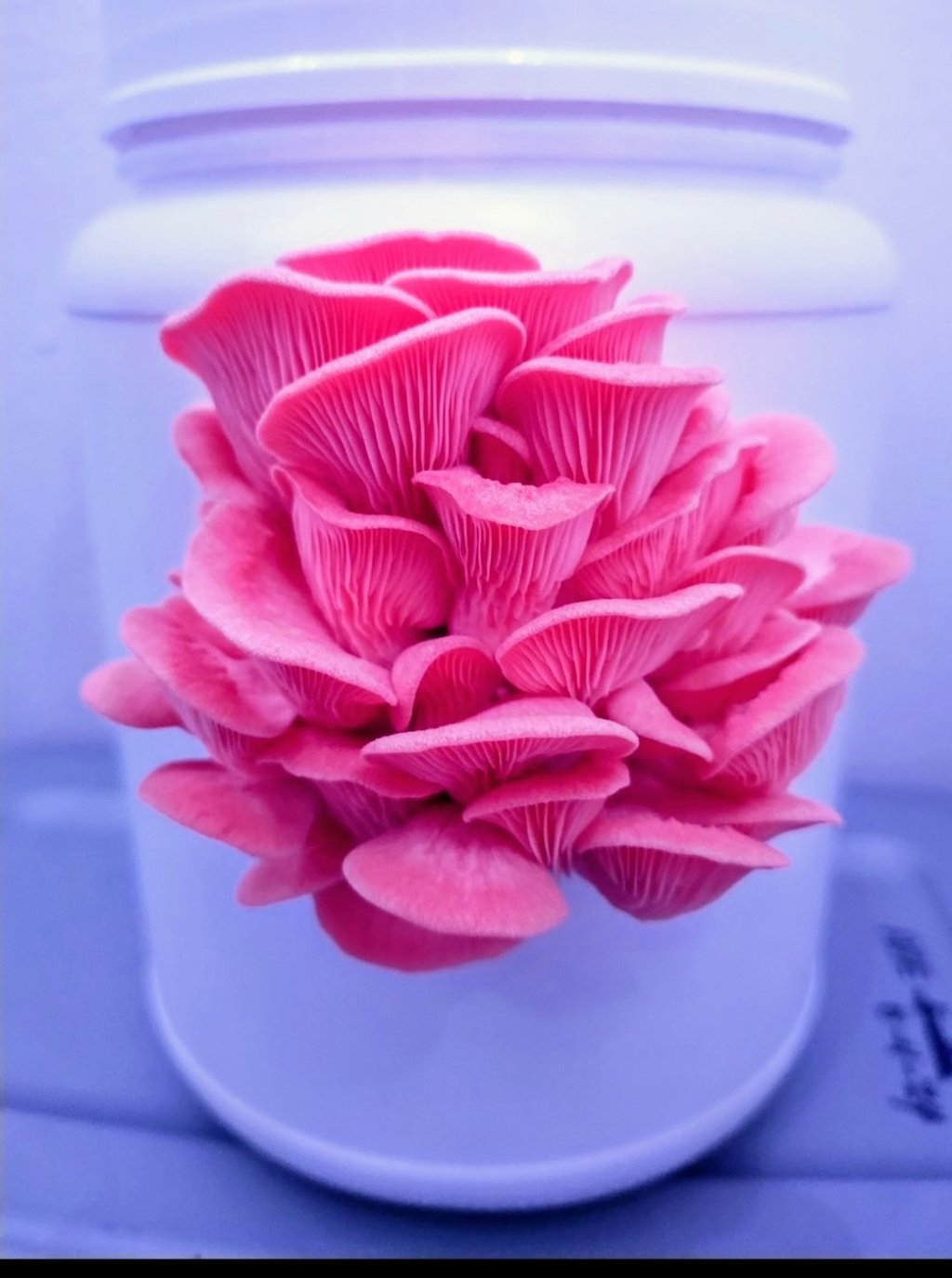
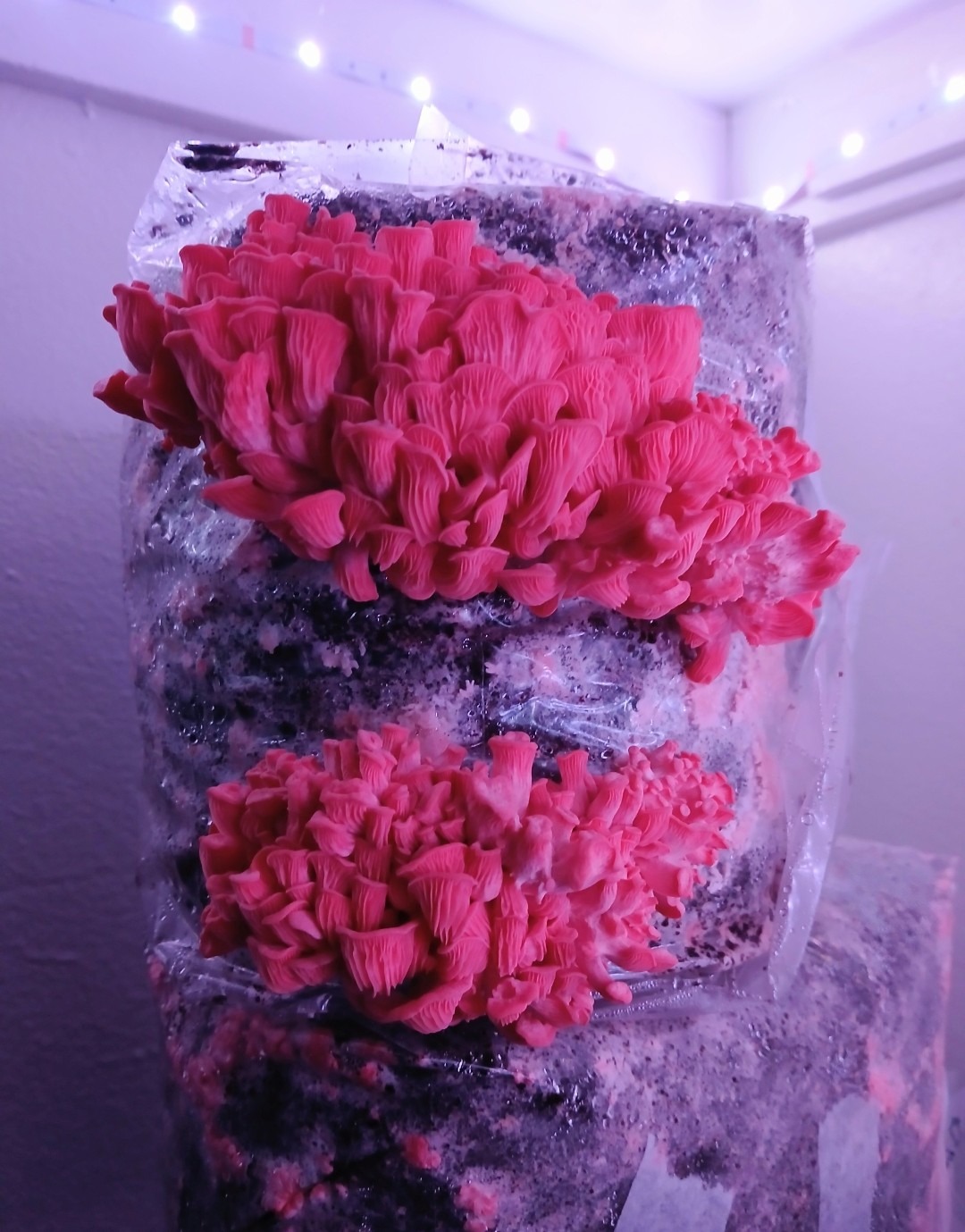
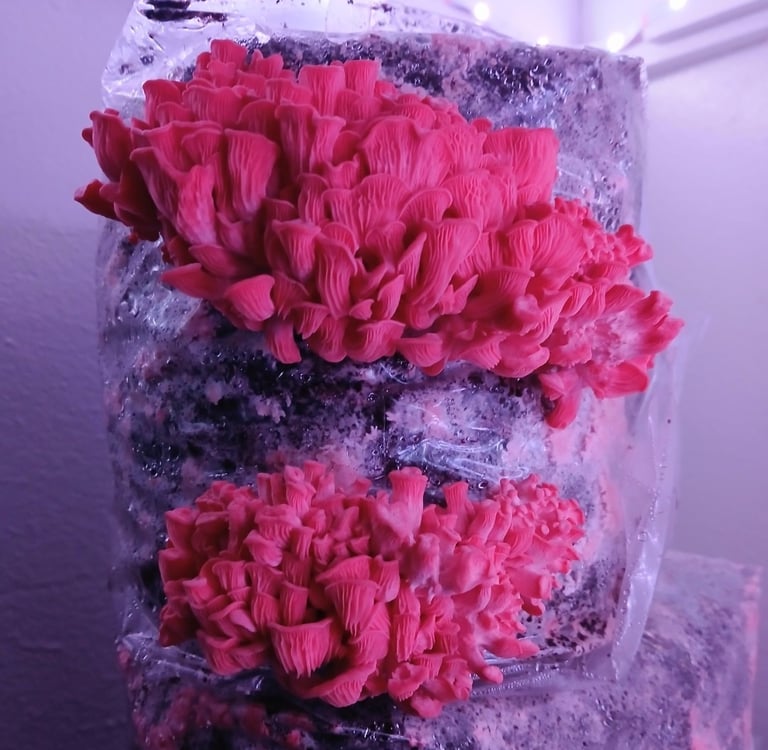
This is the practical thing most beginner guides skip. If you put a bag of oyster mushrooms in a dark closet with no light at all, the pins will often emerge sideways out of whatever opening they can find, or grow in random directions. Give them a consistent light source on one side and they'll orient toward it. Same with pioppino and enoki, they're reaching toward the light not because they're feeding on it but because they're using it as a compass.
This changes how you think about light placement. You're not trying to blast your fruiting chamber with high intensity light to drive bigger flushes. You're just making sure there's a consistent source so your mushrooms know which way is out. A simple LED strip on the wall or hung above the opening of your martha tent is genuinely all you need.
What Color Light Do Mushrooms Want?
If you pick up an LED strip with multiple color modes you might wonder which setting to use. You may have heard that blue light is what mushrooms respond to, and there is some truth to that — research has shown that blue spectrum wavelengths around 400-500nm can influence pin formation and fruiting in certain species. But for a home grower this doesn't need to be complicated. A standard daylight spectrum white LED already contains those blue wavelengths and works perfectly well across oysters, chestnut, pioppino, enoki and everything else you're likely to grow. You don't need a specialized grow light or a specific color mode. If your strip has RGB options just run it on white. If you're buying a new strip don't worry about color modes at all — grab a basic daylight white and move on.
Species Notes and the Kit Grower Question
For oysters, chestnut, pioppino, and enoki the principles above apply across the board. None of these species need intense light. If you're running a Back to the Roots kit or something similar and you're wondering where to put it, think of it like a low light houseplant. A spot that gets indirect natural light from a window is perfect. You don't need to put it under a grow light, but you also don't want it in a completely dark room during fruiting.
The main thing is just making sure it isn't in total darkness once pins start forming. A windowsill, a countertop with ambient room light, a shelf near a window, all of those work.
How I've Done It
Over time I've run lighting a few different ways depending on what I had going on.
The simplest setup was just a window. Natural indirect light during the day, nothing at night. For oysters and chestnut this worked fine. It's free, it's easy, and it gets the job done if you're not running a high volume operation.
When I moved to a martha tent setup I hung LED strip lights from the wire rack shelves above each level of the tent. This gave consistent light to every shelf without any complicated rigging. Something like [LED strip lights for wire racks] work well for this — they're flexible, low heat, and easy to reposition. This is probably the most practical setup if you're running multiple species or multiple blocks at once.
I've also just lined the inside of a closet with LED strip lights mounted higher up on the wall, which gave a more diffused light to everything sitting below. [LED strip lights for walls or closets] are good for this — look for ones with an adhesive backing and a simple on/off timer plug.
None of these setups required anything fancy. Low wattage, basic white or daylight spectrum LEDs, and a consistent schedule if you want one. That's really all there is to it.
For more on where lighting fits into the overall cultivation process, check out the five stages of mushroom growth.