When to Harvest Gourmet Mushrooms (With Photos): Lion’s Mane, Chestnut & Pioppino
Learn the best time to harvest lion’s mane, chestnut, and pioppino mushrooms. Includes real grower tips, photo examples, and what happens if you harvest too early or too late.
GROWING
1/22/20266 min read
When to Harvest Mushrooms (With Photos): Oyster, Lion’s Mane, Chestnut & Pioppino
One of the biggest beginner mistakes in mushroom growing isn’t contamination… it’s harvesting too late.
When I first started growing, I didn’t think harvest timing mattered that much. If you made it to harvest at all, it felt like a win. No contam, mushrooms grew, success… right?
But then you wait one more day.
Next time you check your grow, your mushrooms are covered in dark spores and your whole setup looks like it got dusted with pepper.
That’s when you learn harvest timing isn’t just about weight, it affects texture, taste, shelf life, and even your health.
In this post I’ll break down when to harvest oyster, lion’s mane, chestnut, and pioppino mushrooms, plus what “too early,” “just right,” and “too late” look like (especially with chestnuts).
Quick answer: When is the best time to harvest mushrooms?
In general, the best time to harvest mushrooms is when they’re fully formed and at their best texture, before spores drop and before the mushroom becomes over-mature.
A lot of beginners assume waiting longer equals more weight and a better harvest.
But most of the time, waiting too long leads to tougher texture, worse cooking results, shorter shelf life, and heavy spore drop.
My biggest harvest lesson: spore drop can wreck your grow room
I’ve grown a bunch of oysters in my room close to my bed before I really understood how intense spore drop can get.
I didn’t realize how many spores were literally raining down on me and being breathed in. I even felt a little “off” during one heavy spore-drop grow.
(If you want to go deeper on that topic, check out my post on Mushroom Worker’s Lung
So if there’s one big lesson: don’t wait just to squeeze out more weight.
Mushrooms can look nicer before they’re over-mature, and they usually cook better too.
Harvesting is tricky because it’s not really up to you
This is the funny part about mushrooms, you don’t harvest on your time. You harvest on their time.
That’s why harvest timing is hard for people with real lives. If you have work or school, you can’t sit around and constantly watch your tubs or bags.
My routine is simple:
Check at night after work: are they ready?
If not, ask: will they be ready by tomorrow morning?
If yes, sometimes I get up earlier to harvest
Because waiting an extra day can be the difference between perfect mushrooms and spores everywhere.
What I do after harvest (real life method)
Sometimes I’m low on time, so I harvest and put them straight in the fridge. Then later when I’m home I’ll trim the substrate off the bottoms, clean them up, and decide if I’m drying them, cooking them, or making powder.
When to harvest oyster mushrooms
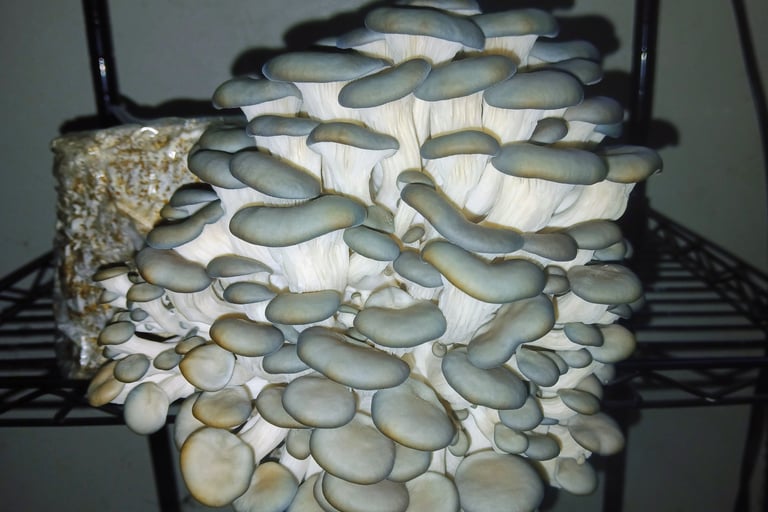
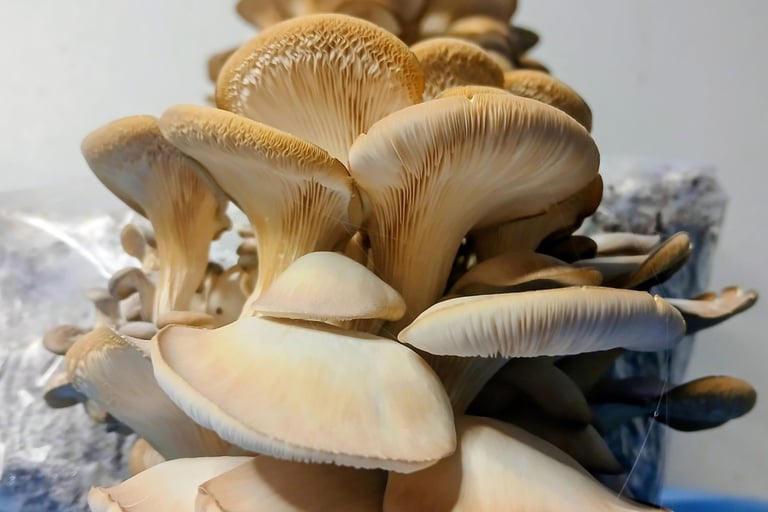
Oyster mushrooms are easy to grow, but harvest timing matters because they can drop a lot of spores indoors.
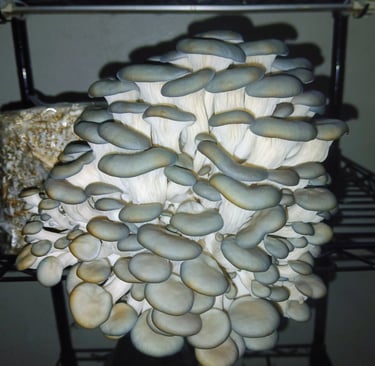
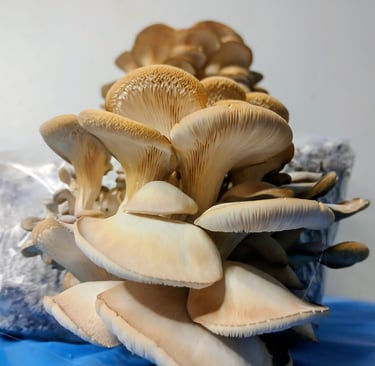
Harvest oysters when the caps are formed but the edges are still slightly curled down. If you wait too long, caps flatten out wide and spore drop gets heavy.
Rule of thumb: harvest oysters right before the caps flatten completely.
Too Early: They’ll still be edible, but you’re leaving weight and quality on the table.
Just Right: This is the sweet spot — clean, fresh, and cooks the best.
Too Late: Spore city. Messy, and the texture usually isn’t as good.
When to harvest lion’s mane
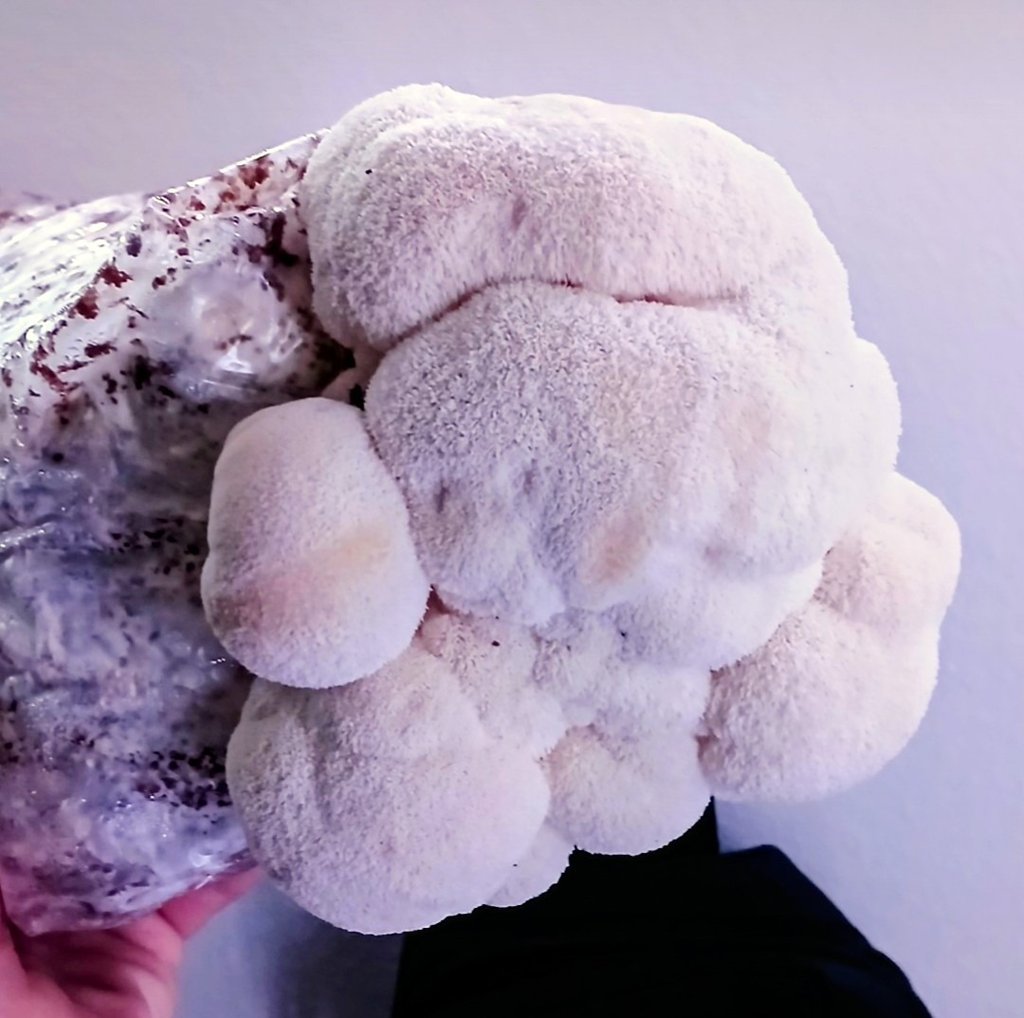
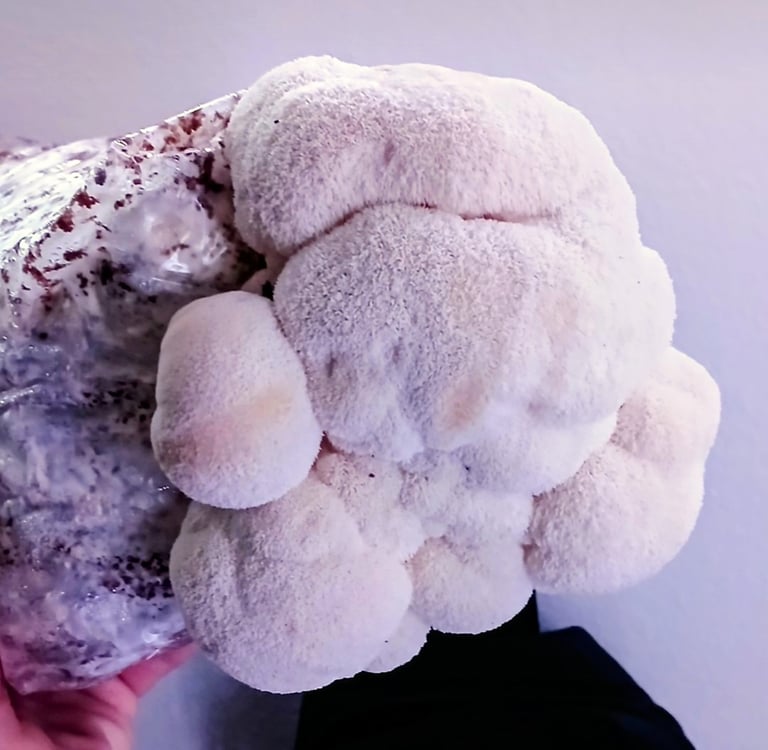
Lion’s mane is different because it forms teeth/spines instead of gills.
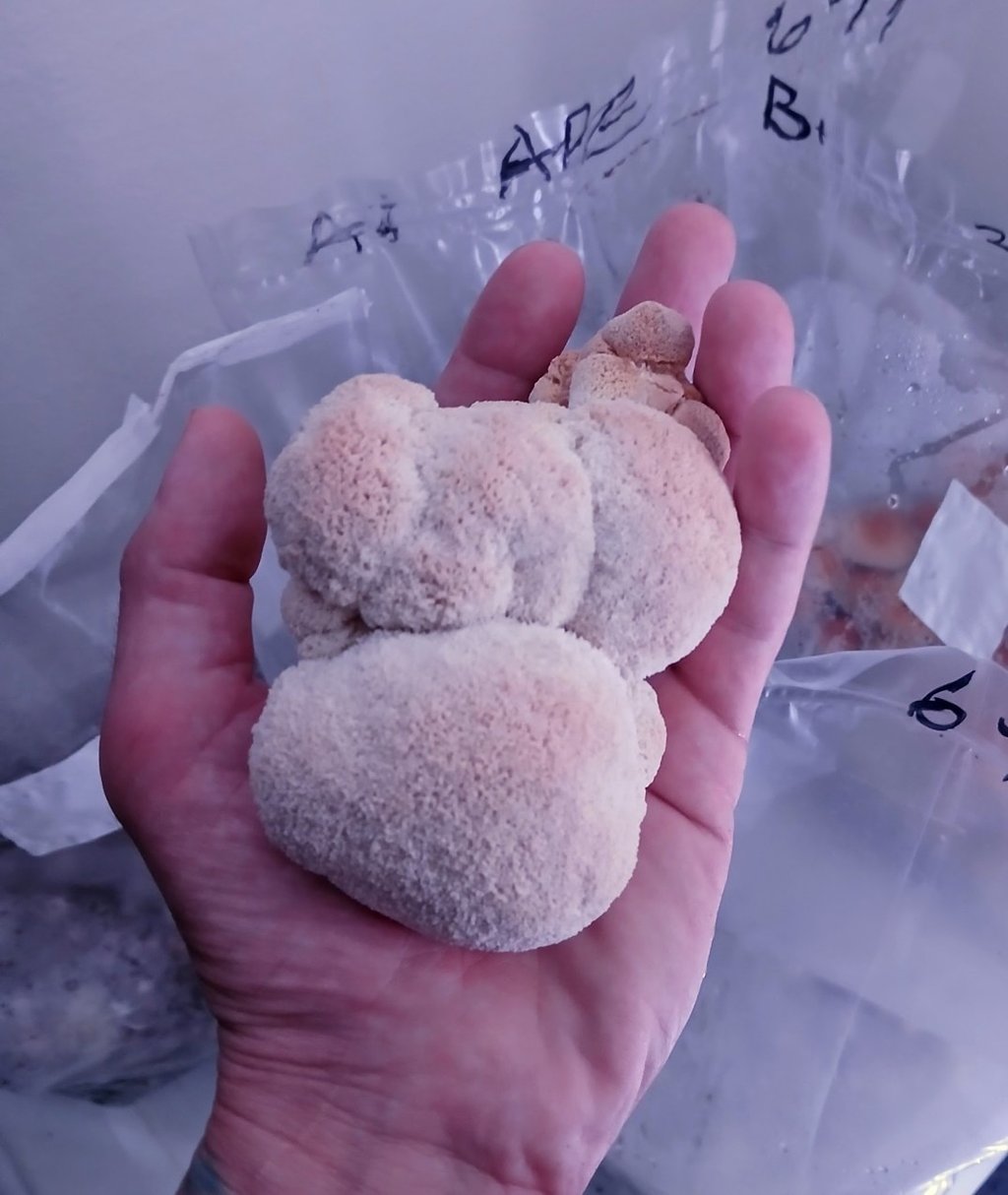
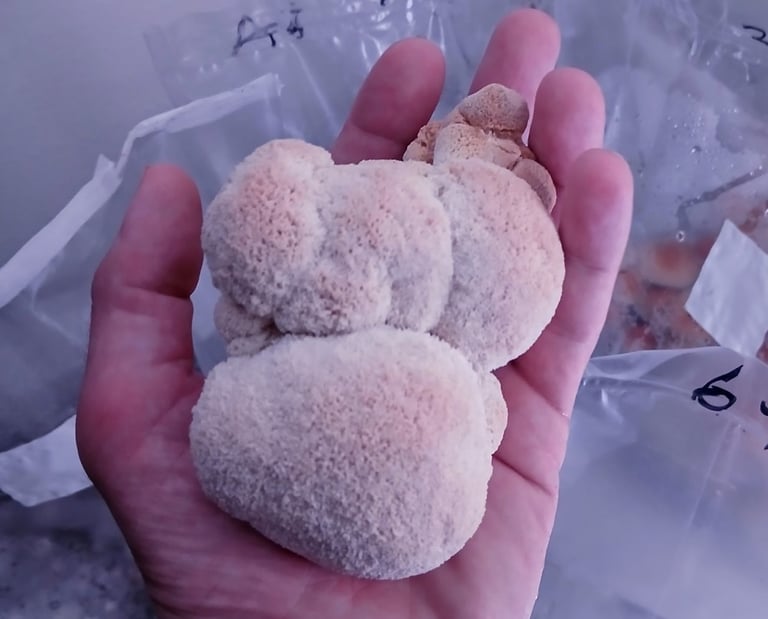
Harvest lion’s mane when it’s full sized, still white, and the teeth have started to form — but are still short. If you wait too long, it starts turning creamy/yellow, teeth get long, and texture can drop.
Rule of thumb: harvest lion’s mane when teeth are visible but still small.
Not ready yet
Ready to harvest
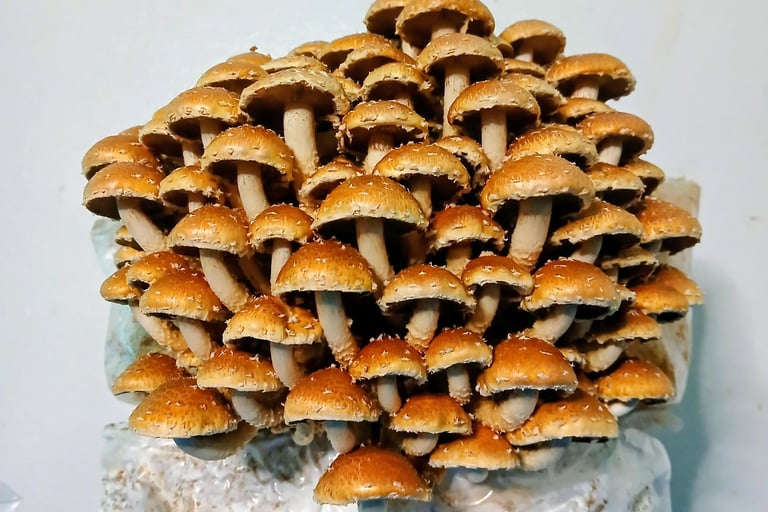
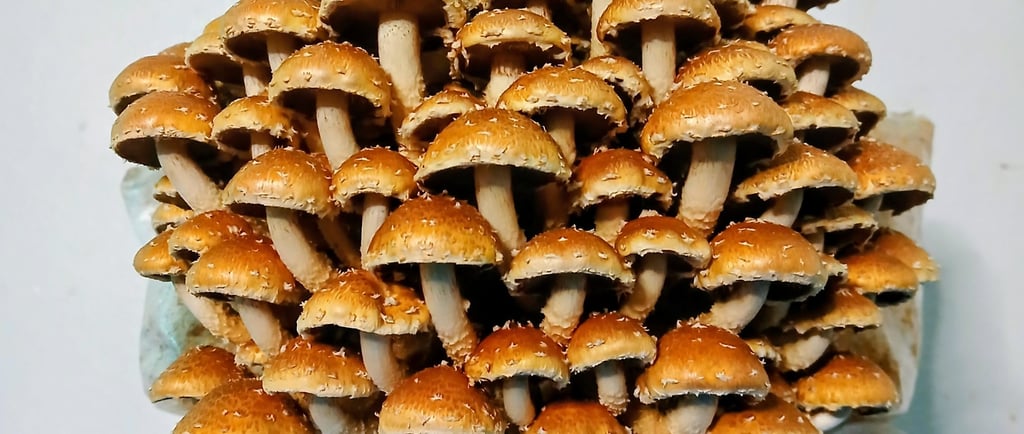
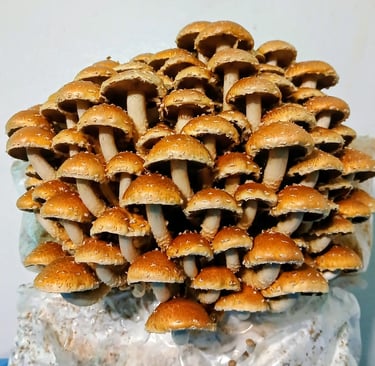
When to harvest chestnut mushrooms (too early vs just right vs too late)
Chestnut mushrooms are one of my favorites, and they’re also one of the best to learn harvest timing with because the changes are obvious.
I actually let one chestnut grow go past harvest on purpose so I could take pictures for this post and show what it looks like.
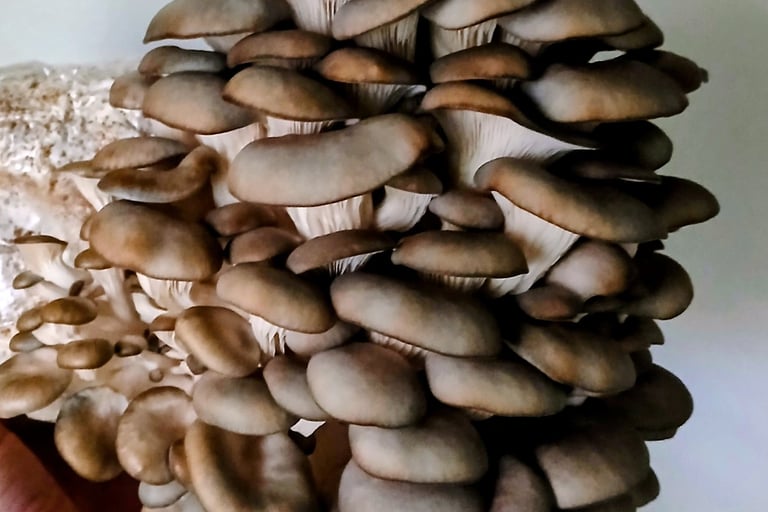
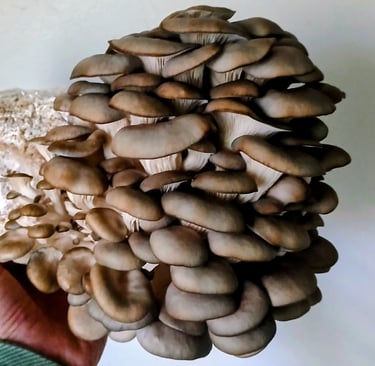
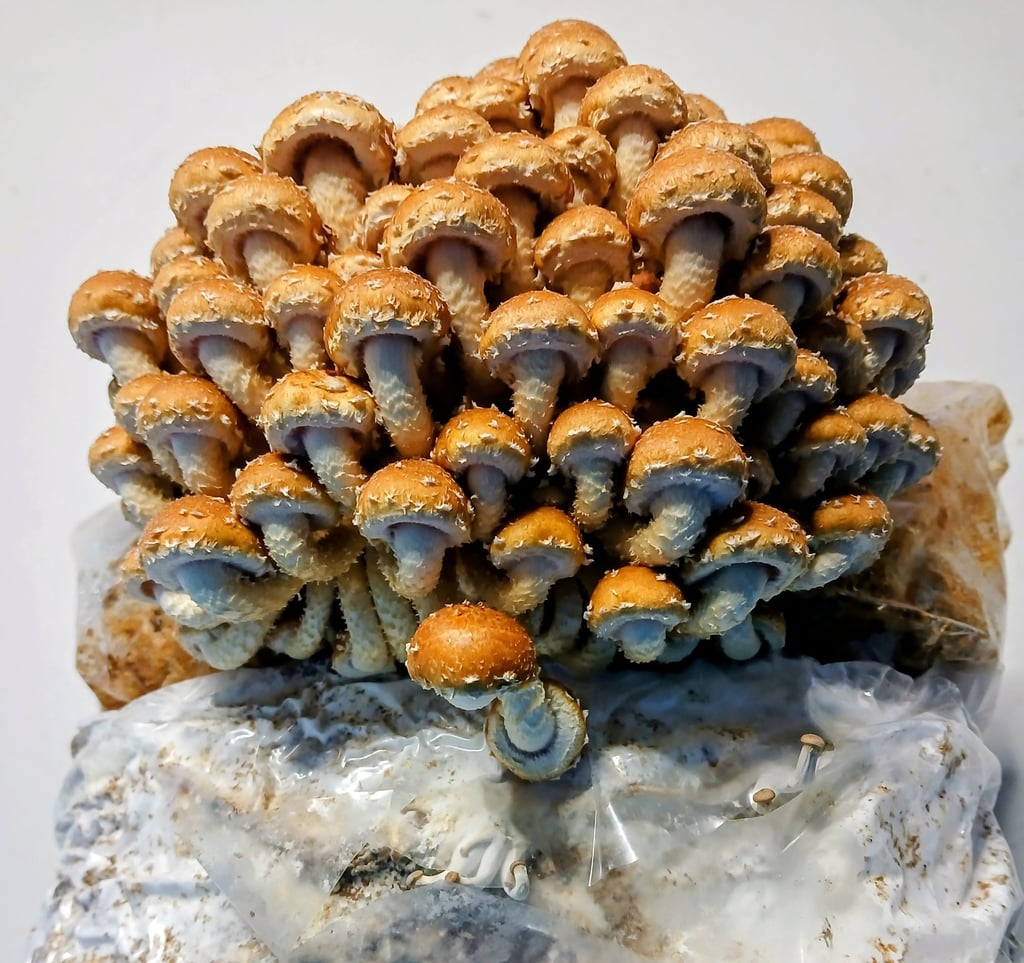
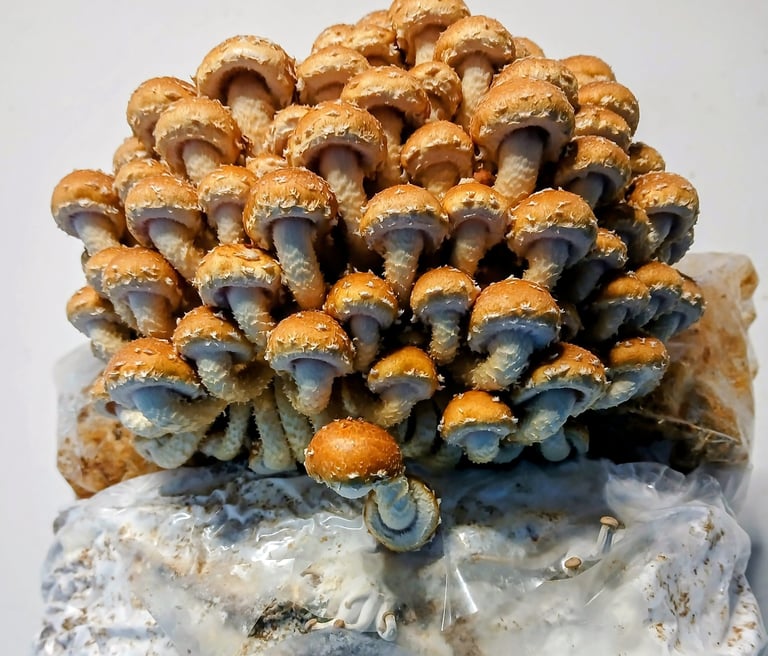
Harvest chestnuts when caps are still slightly rounded and fresh-looking — before they flatten completely and drop spores.
Sometimes some are ready and others aren’t yet. That’s normal. Harvest the ready ones and let the rest finish.
Rule of thumb: harvest chestnuts when caps are formed and healthy, not fully flat and over-mature.
Too Early: They’ll still be edible, but you’re leaving weight and quality on the table.
Just Right: This is the sweet spot — clean, fresh, and cooks the best.
Too Late: Spore city. Messy, and the texture usually isn’t as good.
When to harvest pioppino mushrooms
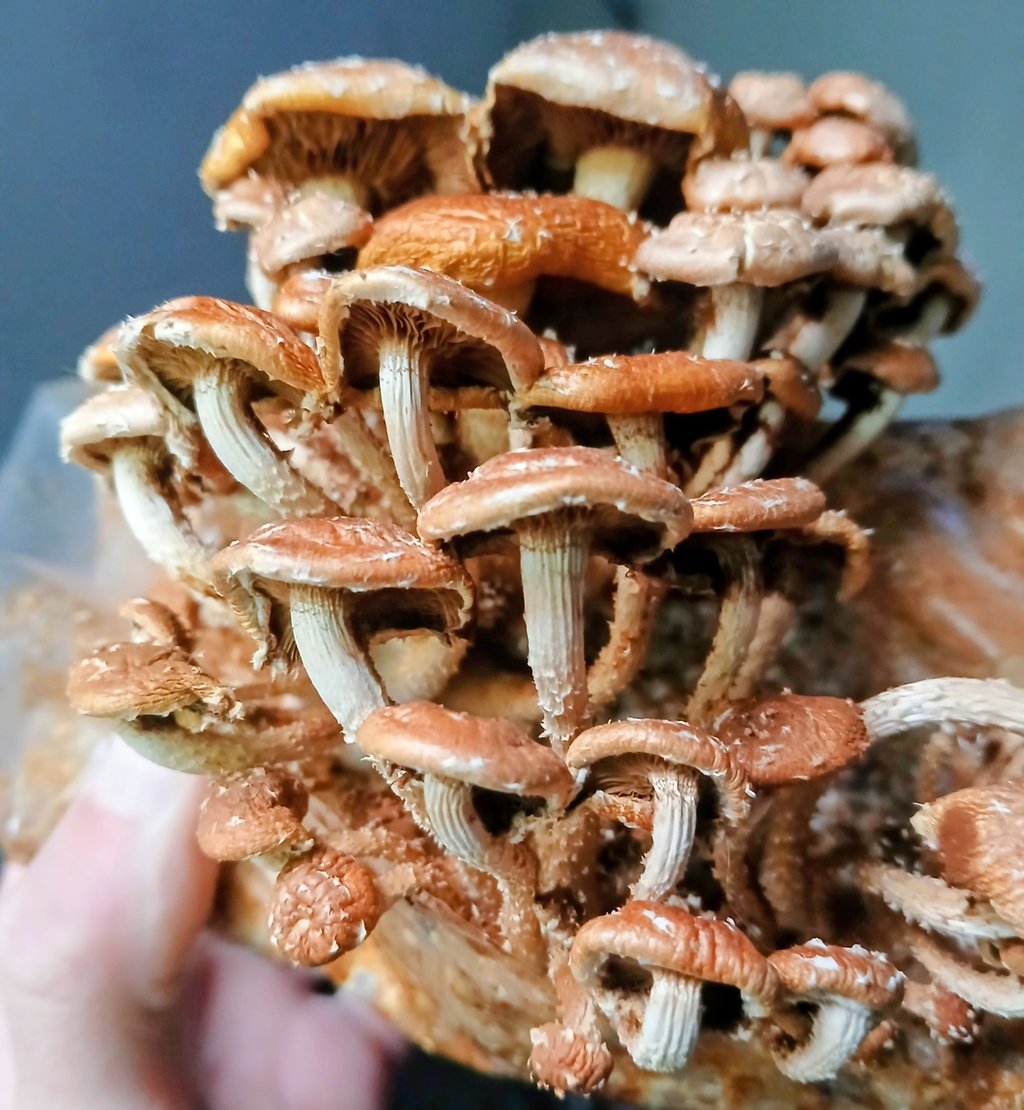
Pioppino often mature unevenly in clusters. Harvest when caps are formed but still look tight and fresh. Don’t wait for every mushroom in the cluster to be perfect.
Rule of thumb: harvest in stages if you need to.
Pioppino follow the same general timing as chestnuts, I harvest them when the caps are formed but still look tight and fresh (before they flatten and drop spores)
Too early vs just right vs too late (why waiting costs you)
Harvest timing is like fruit timing:
too early = not developed
too late = stale/tough/messy
In my experience it’s better to harvest slightly early than too late. Life happens. You get tired. You miss the window. Don’t beat yourself up — catch the next flush.
How I harvest (hands vs knife)
Most of the time I harvest by gently pulling/twisting the cluster off the block or substrate. Sometimes I’ll trim the base clean with a scalpel.
My grow setup (for context)
These mushrooms were grown in:
Unicorn 5 lb grow bags
Chestnuts on Master’s Mix
Oysters in coco coir + vermiculite
What to Do After Harvest (Storing Fresh Mushrooms)
If you’re not cooking your mushrooms the same day you harvest them, don’t leave them sitting out on the counter. Fresh mushrooms can get slimy fast, especially if they’re sealed in plastic with no airflow.
Here’s what I recommend:
Short-term storage (fresh)
Place mushrooms in a paper bag or a container lined with a paper towel
Store in the fridge
Avoid airtight containers unless you’re using paper towel to manage moisture
Long-term storage (best option)
If you want to store mushrooms for weeks or months, drying is the best move. Dehydrated mushrooms keep well, take up almost no space, and you can use them later in soups, sauces, and powders.
👉 Here’s my full guide: How to Dehydrate Mushrooms (Step-by-Step)
If you don’t have a dehydrator yet, it’s one of the most useful tools you can buy for mushroom growing because it turns extra harvest into stored food instead of waste.
👉 Recommended dehydrator here
If You’re Growing From a Kit (Quick Help)
If you’re growing from a mushroom kit and something feels off, slow growth, weird colors, stalling, no pins, etc, I made a simple troubleshooting guide that walks through the most common problems and how to fix them.
👉 Rescue Your Mushroom Grow Kit (Troubleshooting Guide)
FAQ
Can I harvest mushrooms and clean them later?
Yes. I do this often — harvest → fridge → clean/trim later.
Is it okay if some mushrooms are ready and others aren’t?
Yes, especially with chestnut and pioppino. You can harvest in stages.
Why is spore drop bad indoors?
It makes a mess and can be irritating to breathe over time, especially if you grow near your living space.
Final thoughts
Harvesting mushrooms is one of those skills you only learn by doing.
It’s tempting to wait one more night to get more weight, but most of the time the best harvest is clean, fresh, and before spore drop.