Fuzzy Feet on Oyster Mushrooms: What It Means + How to Fix It (FAE Guide)
I saw white fuzz creeping up my oyster stems and had no idea what it was. Turns out it's a simple airflow fix — here's exactly what fuzzy feet means and how to stop it.
GROWING
1/23/20265 min read
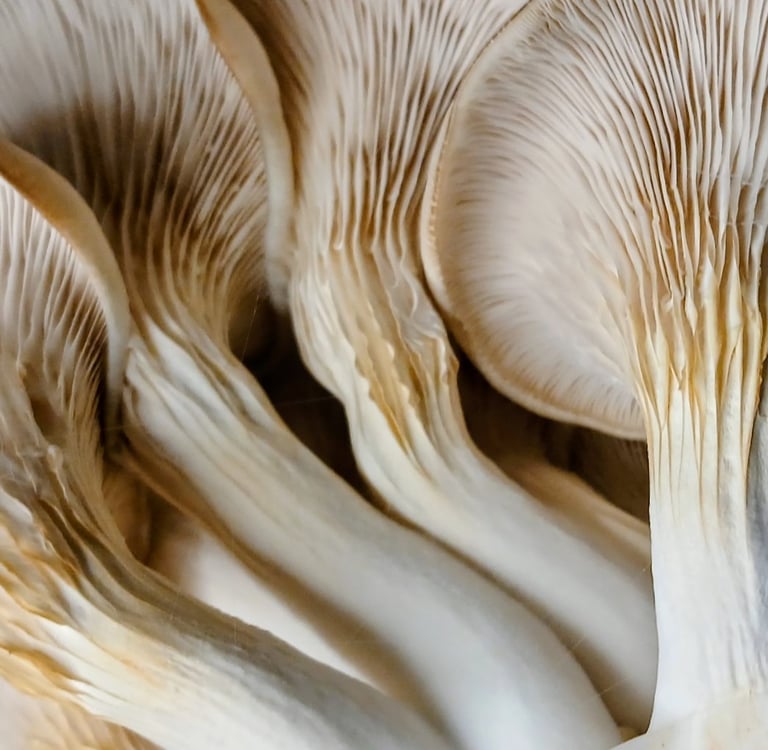
Fuzzy Feet on Oyster Mushrooms (White Fuzz on the Stem): Causes & How to Fix It
If you're growing oyster mushrooms and notice white fuzz creeping up the bottom of the stems, you're not alone. The first time I saw it, I honestly didn't know what it was or if something was going wrong with my grow. When I looked it up, I kept seeing people say things like "FAE" which is confusing when you're new to mushroom cultivation because there are so many slang words and abbreviations.
So let's make this simple.
What does "FAE" mean?
FAE equals Fresh Air Exchange. It means your mushrooms need old air (high CO₂) replaced with fresh air (oxygen-rich). And when oysters don't get enough fresh air, they often develop what growers call "fuzzy feet."
What is fuzzy feet?
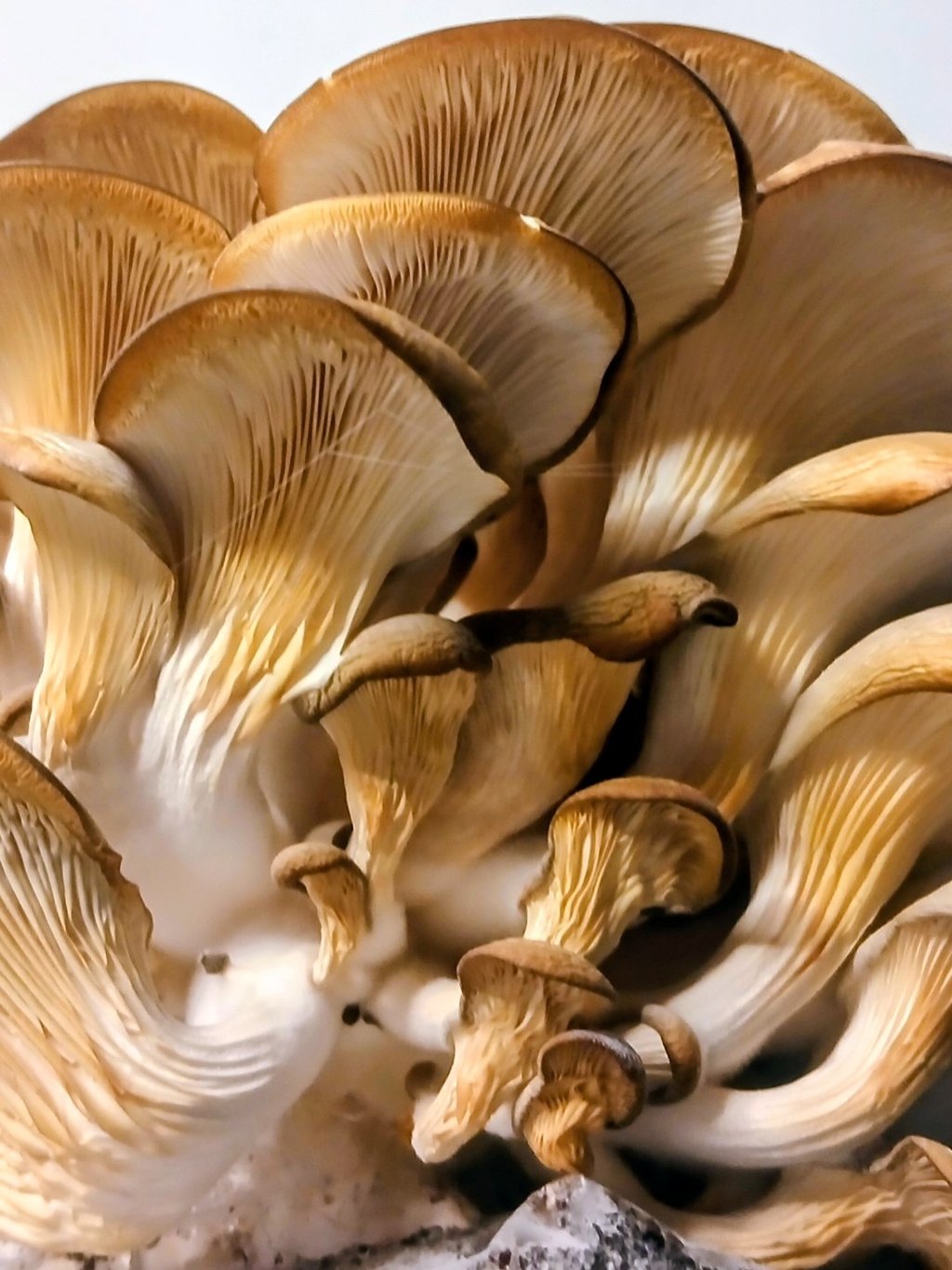
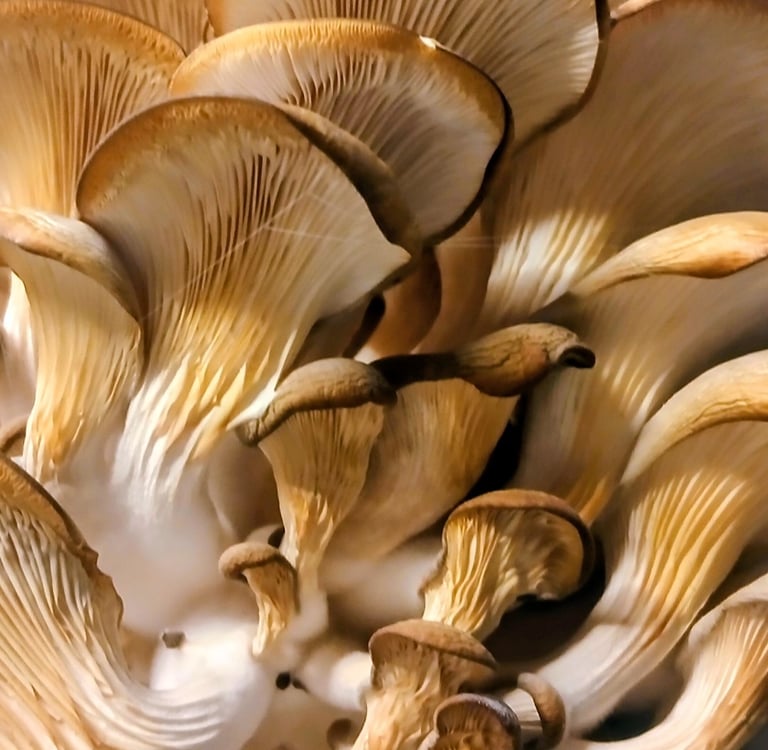
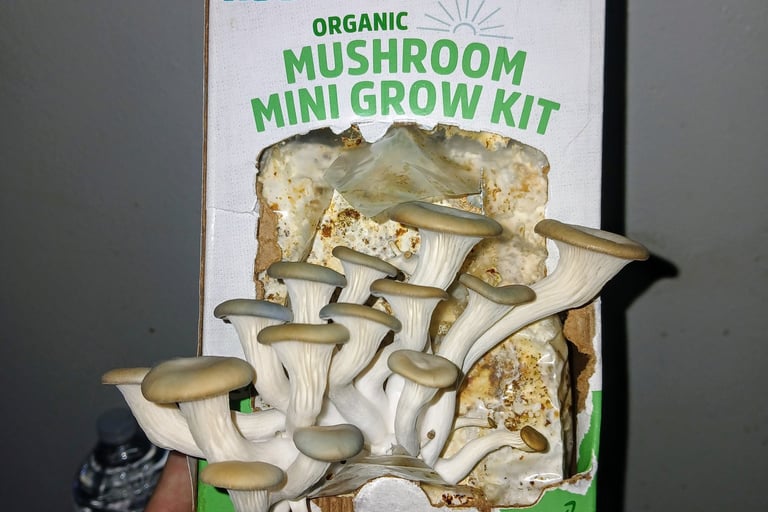
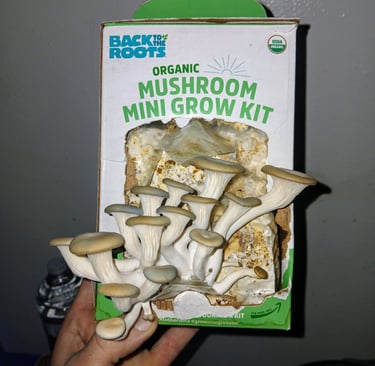
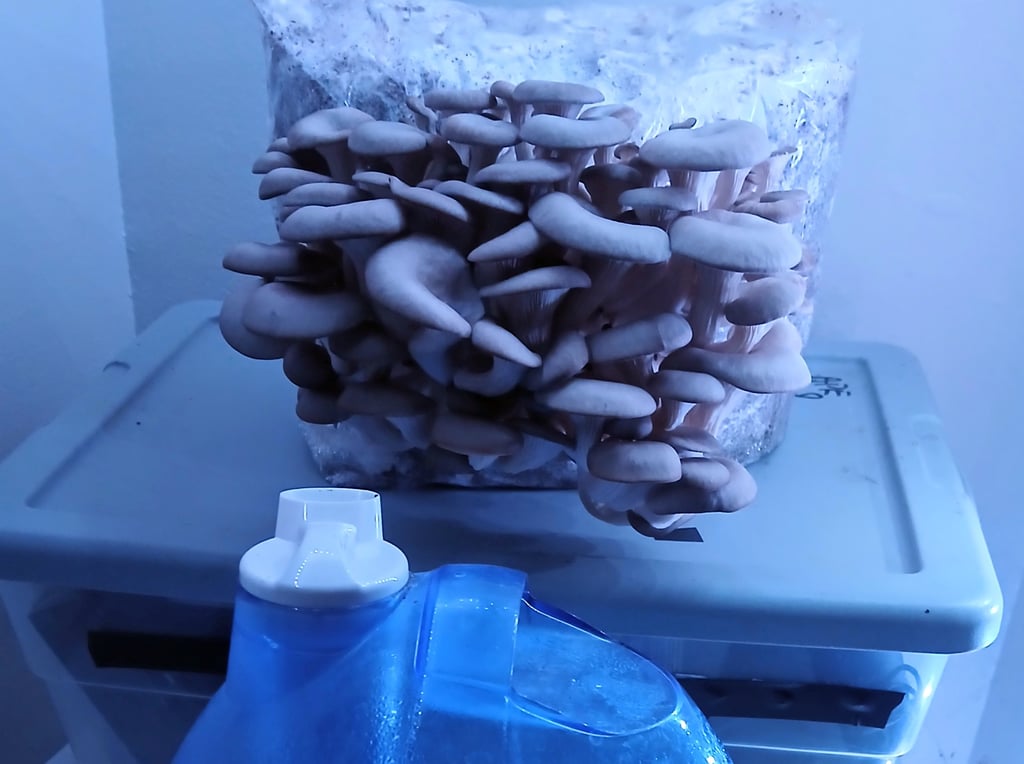
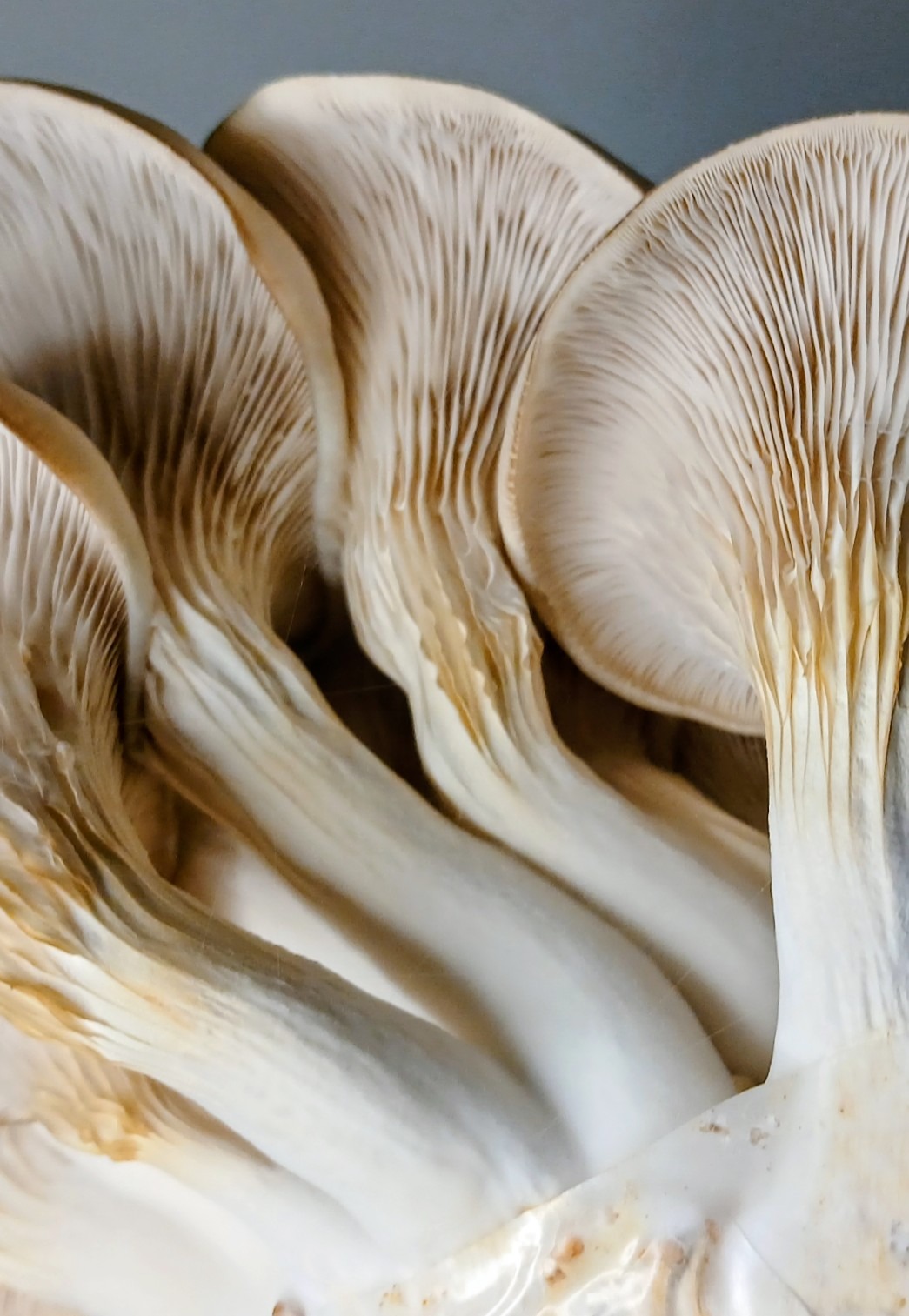
Fuzzy feet is the white, fluffy mycelium that grows up the lower stem of the mushroom. It looks kind of like soft fur, fuzz, or cotton.
In most cases, fuzzy feet is not mold, not dangerous, and not ruinous. But it is a sign that your mushrooms want more fresh air.
Why oyster mushrooms get fuzzy feet
Oyster mushrooms are aggressive growers and fast fruiters, but they also need a surprising amount of fresh air to develop correctly. When airflow is too low (or CO₂ is too high), oysters respond by producing that extra mycelium growth on the stem.
Common causes: growing in a room with stale air, kit/block inside a closet or small room with no airflow, poor airflow in tubs/containers, and over-prioritizing humidity while forgetting airflow.
Why It Took Me a While to Figure Out
One thing that confused me when I first started was that everything else about the mushrooms looked healthy. They were growing quickly, they were white, and nothing smelled bad. The only unusual thing was the fuzzy growth climbing up the stems. Because the mushrooms were still growing, I wasn't sure if it was a problem or just something oysters normally did.
Once I learned what fresh air exchange (FAE) actually meant, it made a lot more sense. The fuzzy feet weren't the problem—they were a symptom that my mushrooms wanted more fresh air.
Is fuzzy feet bad?
Not usually. Most of the time, fuzzy feet just means your oysters are growing, but they would grow better with more fresh air. You can still harvest and eat them.
However, too much CO₂ can also cause long skinny stems, smaller caps, slower development, and weird shaped fruits. So it's still worth fixing.
How I fixed fuzzy feet
The biggest mistake I made was focusing almost entirely on humidity while forgetting about airflow. Like many beginners, I was worried about the mushrooms drying out, so I kept everything closed up. That kept the humidity high, but it also trapped carbon dioxide around the mushrooms.
Once I started giving them more fresh air, I noticed the difference almost immediately. New flushes developed thicker caps, shorter stems, and much less fuzzy growth at the base.
How to fix fuzzy feet (simple options)
Option 1: Move the block near a window (easy win)
If you're just growing a single oyster block or kit, one easy fix is to place it near a window (indirect light is fine). Even a small amount of natural airflow can help.
Option 2: Use a small fan for room circulation
One of the best upgrades is a small fan. Important: don't blast the mushrooms directly. You want room air circulation, not a wind tunnel. I like to place the fan across the room or off to the side so the air stays fresh without drying the kit out. Here's a fan I use from amazon.
Option 3: Increase air exchange (but keep humidity)
Here's the tricky part. When you increase fresh air, humidity often drops. Oyster mushrooms need BOTH fresh air AND high humidity. So if your mushrooms start drying out while you improve airflow, check out my blog post on how to keep your mushroom grow kit from drying out.
Finding the Right Balance
One thing you'll quickly learn is that mushroom growing is all about balance. If you increase fresh air too much, your mushrooms can dry out. If you keep everything sealed up to hold humidity, carbon dioxide builds up and fuzzy feet become more likely.
It usually takes a little experimenting to find the right balance for your growing space. Every room is different, so don't be discouraged if it takes a couple of grows to dial everything in.
Why fuzzy feet is harder in tubs
If you're trying to grow oyster mushrooms in tubs, fuzzy feet is common because tubs tend to trap CO₂. The reality is oysters need a LOT of fresh air.
To do oysters in tubs successfully you usually need high airflow, consistent humidity, and frequent misting/fanning OR automated airflow. Without that, oysters often come out skinny with fuzzy feet.
The better setup: Martha tent (mini grow tent)
If you're serious about growing oysters regularly, the easiest way to get good results is a simple Martha tent setup. A Martha tent makes it easier to control humidity, fresh air exchange, and fruiting conditions. Even a basic setup can outperform tubs for oysters.
If you're setting up a Martha tent or any fruiting chamber, here's a guide on the best humidifiers for mushroom growing that work well for exactly this kind of setup.
Can fuzzy feet happen on other mushrooms?
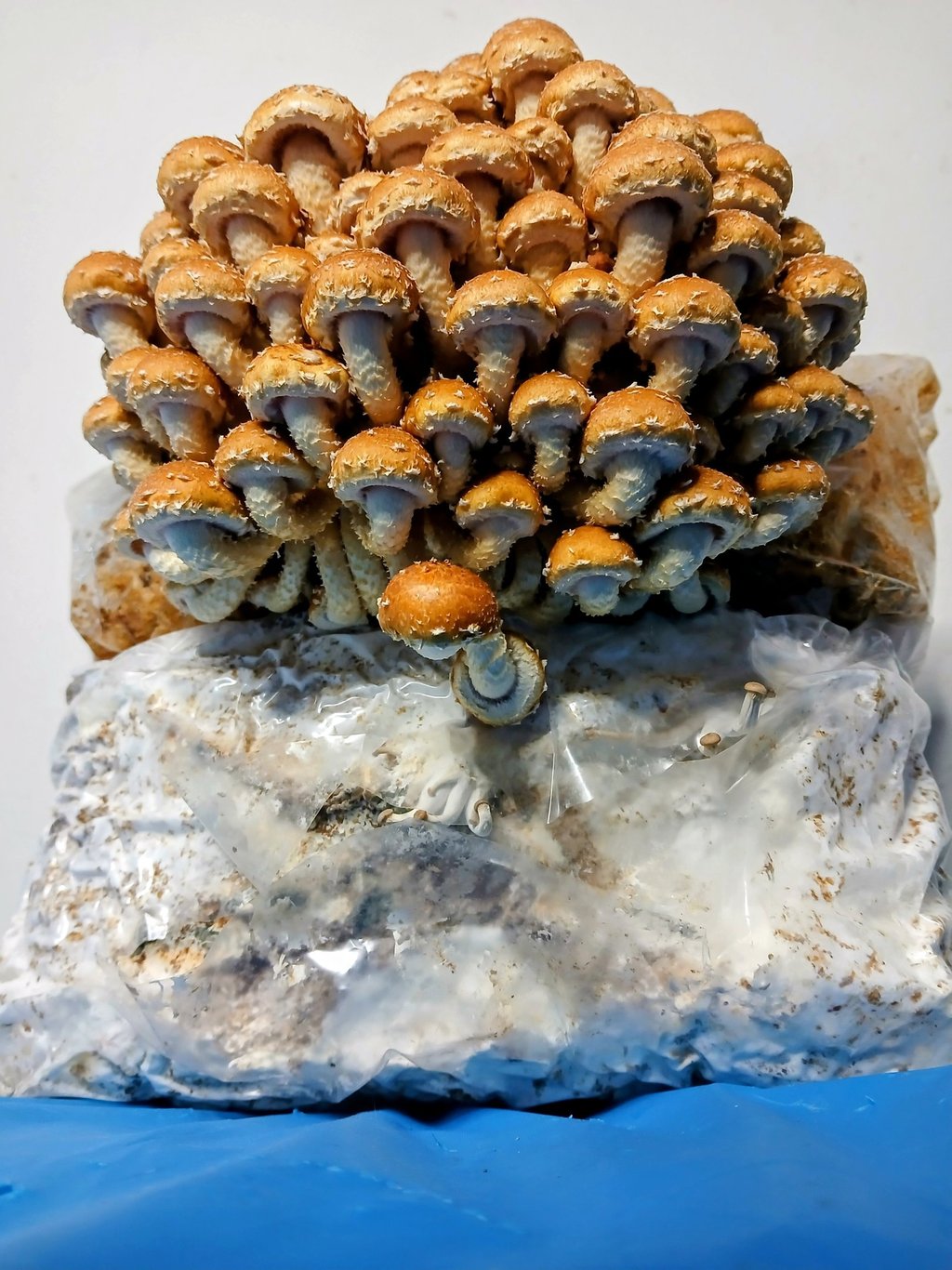
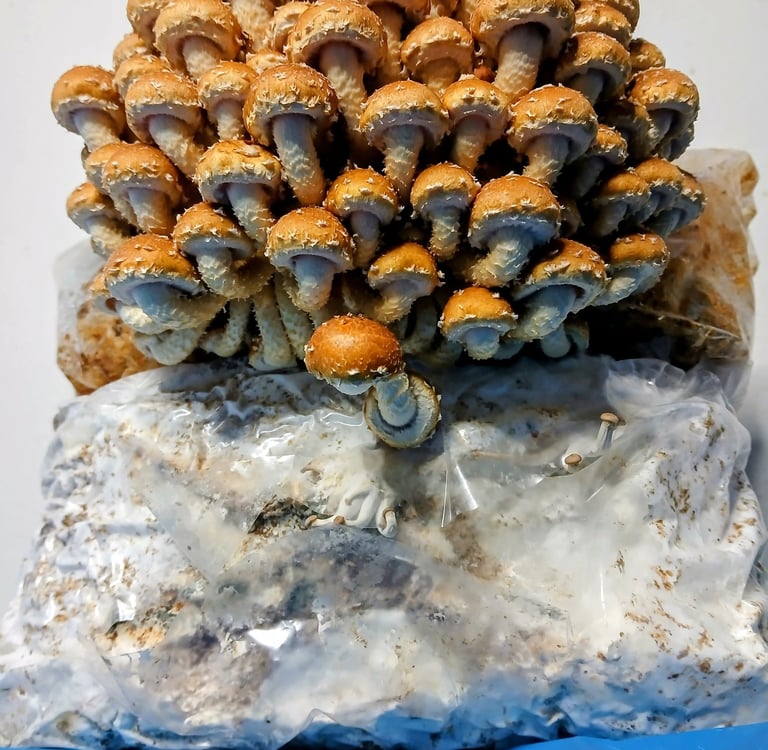
Yes. You may see similar fuzzy mycelium growth on other species like chestnut mushrooms and pioppino. But fuzzy feet is most commonly discussed with oysters, since they're extremely sensitive to high CO₂ while fruiting.
Quick FAQ
Is fuzzy feet mold?
Usually no. Fuzzy feet is mycelium, not mold. If the growth is colored (green/black), slimy, or smells bad, then that could be contamination. But normal fuzzy feet is white, soft, and dry-looking.
Can I still eat oyster mushrooms with fuzzy feet?
Yes. It's safe to eat.
What's the fastest fix?
Increase fresh air exchange by moving the kit to a fresher airflow location, using room circulation (fan), and not suffocating the grow.
Final Thoughts
Fuzzy feet is one of those things that freaks people out at first. It did for me too. But it's usually just your oyster mushrooms telling you: "I'm alive and growing... but I need more fresh air."
Once you understand FAE and balance fresh air with humidity, your oyster grows will improve a lot.
Affiliate Disclosure: This post contains Amazon affiliate links. If you make a purchase through these links, I earn a small commission at no additional cost to you.
Want to go deeper into mushroom growing? Check out my mushroom ebooks!